Essential Car Stereo Features to Look for in 2026
Introduction
Modern car stereos have evolved far beyond simple radio receivers. Today’s units serve as comprehensive entertainment and connectivity hubs packed with advanced features. Understanding these car stereo features helps you choose the right system for your driving lifestyle. Whether you’re researching the best car stereos for 2026 or planning an upgrade, knowing which features matter most ensures you invest wisely.
At Decibel Mods in Lehi, Utah, our customers frequently ask which car stereo features deliver the best value. After thousands of installations and years of industry experience, we’ve identified the essential features that truly enhance your driving experience versus marketing gimmicks that sound impressive but rarely get used.
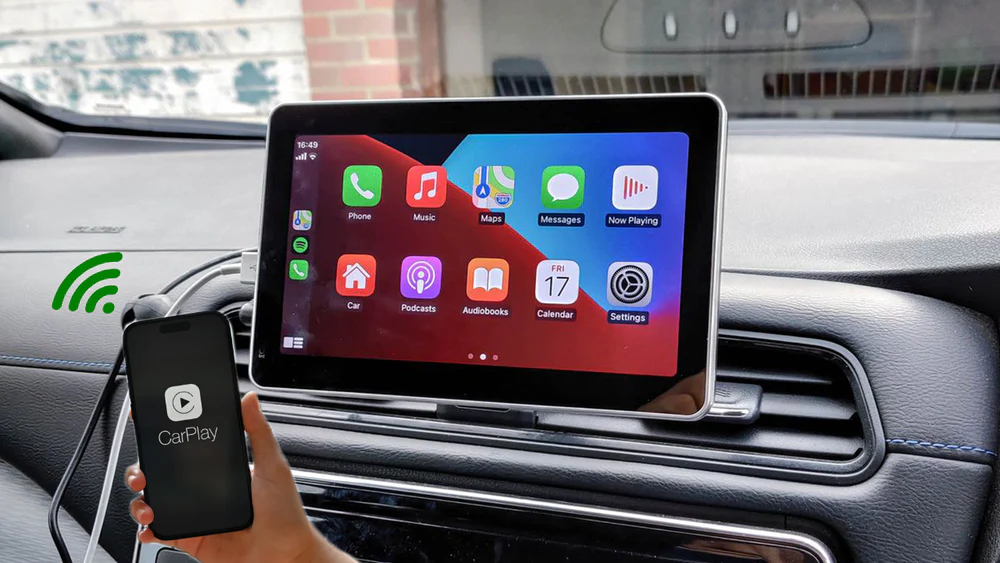
“car stereo features”
Smartphone Integration: The Most Important Feature
Apple CarPlay and Android Auto
Smartphone integration has become the single most valuable car stereo feature. Apple CarPlay and Android Auto mirror your phone’s interface directly on your car stereo display, providing seamless access to navigation, messaging, music streaming, and more—all while keeping your hands on the wheel and eyes on the road.
Wireless CarPlay and Android Auto take convenience further by eliminating charging cables. Simply enter your vehicle, and your phone automatically connects. This car stereo feature has become increasingly common in mid-range and premium models, offering true set-it-and-forget-it convenience.
Voice Control Integration
Modern car stereos support Siri and Google Assistant voice commands through smartphone integration. Natural language voice control lets you change songs, get directions, send messages, and make calls without touching your phone or stereo. This hands-free capability improves safety while enhancing your connected experience.
Display Quality and Size Matter
Touchscreen Technology
Touchscreen displays have replaced button-heavy interfaces in modern car stereos. The best units feature capacitive touchscreens similar to smartphones—responsive, smooth, and intuitive. Resistive touchscreens require more pressure and feel less refined, so prioritize capacitive technology when comparing car stereo features.
Screen Size and Resolution
Display size significantly impacts usability. Entry-level models typically feature 6.2-7 inch screens, mid-range options offer 7-8 inches, and premium units boast 8-10+ inch displays. Larger screens make navigation maps easier to read and provide more comfortable touch targets for on-the-go operation.
Resolution matters too. Higher resolution displays show crisper text, smoother graphics, and more detailed maps. Look for HD (720p) or higher resolution in premium models. Anti-glare coatings improve visibility in direct sunlight—an important car stereo feature for daytime driving.
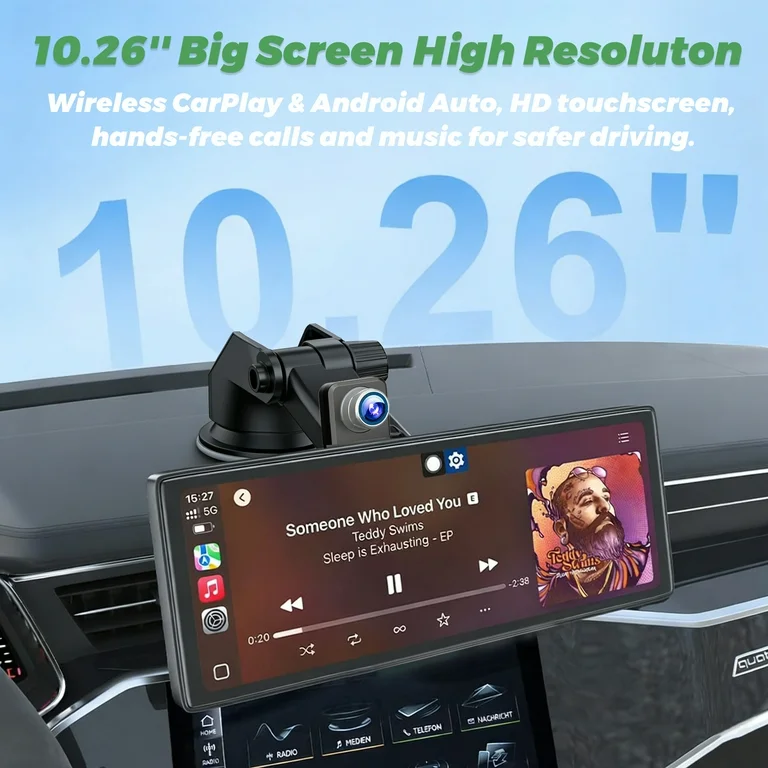
“touchscreen car stereo features”
Customizable Display Themes
Personalization enhances your connection with your car stereo. Many models offer customizable color schemes, wallpapers, and interface layouts. While not essential, these car stereo features let you match your stereo’s appearance to your vehicle’s interior or personal taste.
Audio Quality and Processing Features
Built-in Amplifier Power
Every car stereo includes a built-in amplifier, but power output varies dramatically. Entry-level units typically provide 14-18 watts RMS per channel—adequate for factory speakers but limiting with aftermarket speakers. Quality car stereos deliver 22-50+ watts RMS per channel, providing headroom for dynamic music and high-volume listening without distortion.
RMS (Root Mean Square) power represents true continuous output. Ignore “peak power” specifications—they’re marketing numbers that don’t reflect real-world performance.
Equalizer and Sound Processing
Digital signal processing transforms good car stereos into great ones. Look for these audio features:
Parametric Equalizer: Adjusts specific frequency bands with precision. Basic stereos offer 3-5 band EQs, while advanced models provide 13+ bands with adjustable Q (bandwidth) controls.
Time Alignment: Compensates for different speaker distances from the listener. This car stereo feature creates proper stereo imaging by delaying audio to closer speakers, making sound appear to originate from in front of you rather than scattered throughout the cabin.
Digital Signal Processing (DSP): Advanced DSPs analyze your vehicle’s acoustic properties and automatically optimize audio output. Premium car stereos with sophisticated DSP deliver noticeably better sound quality than basic models.
Crossover Controls: Built-in crossovers route appropriate frequencies to different speakers. High-pass filters prevent small speakers from playing bass they can’t reproduce, while low-pass filters direct bass frequencies to subwoofers.
Preamp Outputs for System Expansion
If you might add amplifiers or subwoofers later, preamp outputs are essential car stereo features. Front, rear, and subwoofer preamps allow clean signal transmission to external amplifiers. Premium stereos offer 4-5 volt preamp outputs—higher voltage reduces noise and improves audio quality compared to 2-volt outputs common in basic models.
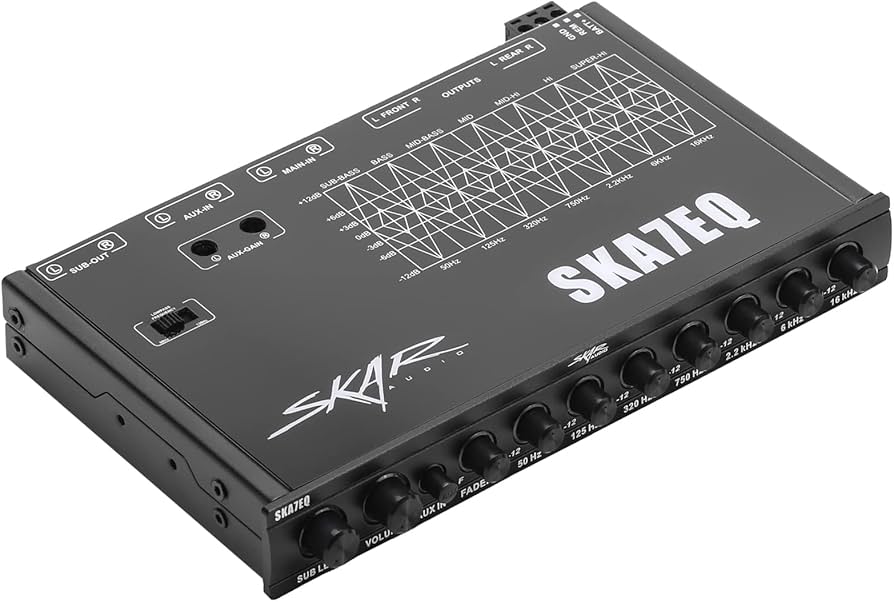
“car stereo audio processing”
Connectivity Options for Versatile Audio Sources
Bluetooth Wireless Connectivity
Bluetooth has become standard in modern car stereos, but quality varies. Look for Bluetooth 5.0 or newer for improved range, stability, and audio quality. Dual phone Bluetooth connectivity lets driver and passenger connect simultaneously—useful for sharing playlist duties or business/personal phone separation.
HD Bluetooth audio codecs like aptX and AAC deliver better sound quality than standard SBC codec. Audiophiles should prioritize this car stereo feature for wireless music streaming that approaches wired audio quality.
USB Connectivity
USB ports serve multiple purposes. They charge smartphones, play music from flash drives, and provide wired connections for Apple CarPlay and Android Auto. Multiple USB ports accommodate driver and passenger devices simultaneously. Look for USB-A and USB-C compatibility for maximum device support.
HDMI and AUX Inputs
HDMI inputs support external video sources for rear-seat entertainment systems. While less common in basic car stereos, this feature benefits families who want dedicated screens for back-seat passengers.
Traditional 3.5mm auxiliary inputs provide connection options for older devices without Bluetooth. While less essential than they once were, aux inputs offer useful backup connectivity.
HD Radio and Satellite Radio Compatibility
HD Radio Technology
HD Radio broadcasts deliver crystal-clear digital audio quality over traditional radio frequencies. This free upgrade to AM/FM radio eliminates static and provides CD-quality sound. Many HD Radio stations also broadcast multiple sub-channels, expanding your listening options without subscription fees.
SiriusXM Satellite Radio
Satellite radio provides hundreds of commercial-free music, sports, news, and talk channels. If you enjoy satellite radio, ensure your car stereo includes SiriusXM compatibility. Some models include built-in tuners, while others require external tuner modules.
Navigation and Camera Integration
Built-in GPS Navigation
While smartphone navigation has become popular, dedicated GPS navigation offers advantages. No data usage, no battery drain, and reliable operation in areas with poor cell coverage make built-in navigation valuable. Premium car stereos with navigation include preloaded maps, traffic updates, and points of interest databases.
Backup Camera Compatibility
Backup camera integration enhances safety by displaying rear views when reversing. Most modern car stereos include dedicated camera inputs with trigger wires that automatically display camera feeds when shifting into reverse. Some units support multiple cameras for side and front views as well.
Look for camera guidelines overlay features—on-screen lines show projected vehicle path, making parking and maneuvering easier. Dynamic guidelines that turn with your steering wheel provide even better assistance.
Advanced Features Worth Considering
Dual Zone Audio Control
Dual zone capability lets front and rear passengers listen to different audio sources simultaneously. Parents can enjoy radio up front while kids watch movies in the back—a valuable car stereo feature for family vehicles.
Steering Wheel Control Integration
Maintaining factory steering wheel control functionality requires compatible interfaces. Most quality car stereos support steering wheel control adapters that preserve volume, source selection, and other functions. Verify compatibility with your specific vehicle during installation planning.
Making Your Decision
Understanding car stereo features helps you identify which capabilities matter most for your driving habits. Smartphone integration, display quality, audio processing, and connectivity options form the foundation of excellent car stereos. Additional features like navigation, advanced DSP, and dual zone audio enhance the experience but aren’t essential for everyone.
At Decibel Mods, we help customers navigate car stereo features and choose systems that match their needs and budgets. Our expert team in Lehi, Utah, can demonstrate various top car stereo models so you experience features firsthand before making your decision.
Ready to upgrade to a feature-rich car stereo? Contact Decibel Mods today for a free consultation. We’ll discuss which car stereo features benefit your specific situation and provide expert installation ensuring you can actually use all the advanced capabilities your new system offers. Visit us at https://decibelmods.com/book-today/